Smarter Ways to Build with Connected AI Agents
23 September 2026
Introduction
Artificial intelligence services used to be much simpler. A single tool handled one task, and that was usually enough. But as systems got more complex and expectations changed, those early tools started falling short. Now, what we think of as artificial intelligence services has started to shift into something more layered, more connected, and easier to build with.
The big change is not speed or scale by itself. It is structure. Teams expect these systems to grow with them, not create more overhead. That is where the shift becomes clear. Today’s focus is on how to create agents that communicate, adapt, and leave room for people to stay in the loop. We are not just assigning tasks anymore. We are shaping systems that stay useful as everything else around them shifts.
From One Tool to a Network of Agents
It was not long ago that an AI tool stood alone. It did one thing, then handed work back to a human or passed it off without expecting much in return. Updates, connections, and retries were manual.
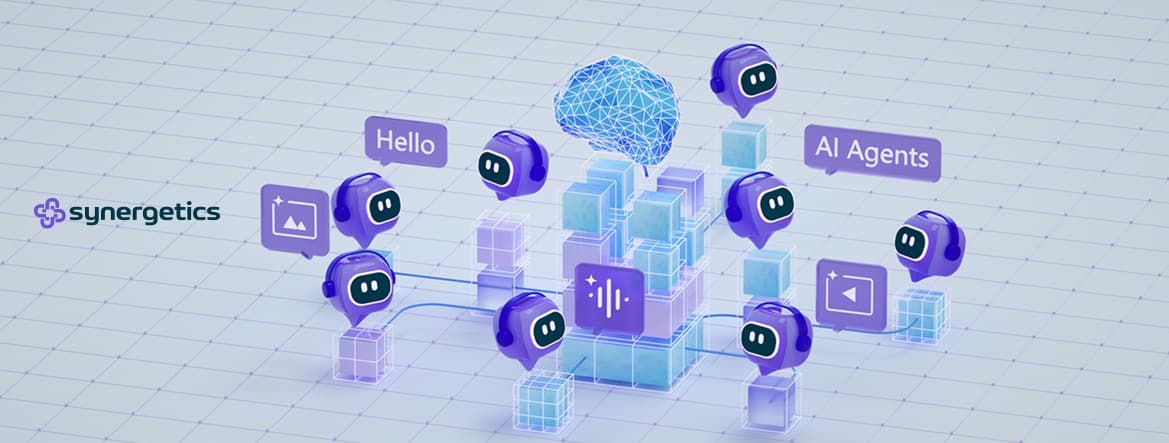
Now, we build differently. We shape networks of agents that talk to each other, not just to a central command. When an AI agent hands off a result, another can catch it and keep going. If timing changes, one agent can respond without the whole system freezing up.
- Strong agent communication reduces delays and avoids confusion
- Defined roles help each agent focus on the right task at the right time
- Connected agents can shift across tasks without friction or extra overhead
This setup only works when each part of the network has a tight job, a clean hand-off, and a good reason to move. That clarity keeps things scalable without clutter.
Synergetics.ai’s patented AgentTalk protocol powers these networks, enabling secure, real-time communication between agents across digital and physical environments no matter the industry.
Why Transparency Is Becoming a Priority
AI used to be something we turned on and hoped worked. When it did not, it was hard to tell what went wrong. Many systems ran as black boxes, fast, but confusing.
Now, teams want more clarity. It does not help to have a smart agent if we cannot understand how it chose one action over another. At scale, small mysteries turn into big slowdowns. So transparency has become just as important as performance.
- Clear thinking paths help us trace decisions quickly
- Visible actions make bugs fixable instead of frustrating
- Teams trust outcomes more when they can follow the logic
That visibility shapes how we build too. We pick tools that expose outcomes in plain steps. When an agent fails or surprises us, we want to know exactly what happened and why. That kind of insight keeps work moving instead of stalling.
AgentWizard, Synergetics.ai’s no-code platform, lets enterprises set up, view, and adjust agent logic visually, so actions remain transparent and easily maintained.
The New Demands of Scaling Smarter
Making one or two agents work is easy. But stretch that to twenty or fifty, and small problems pile up fast. An agent that uses a bit too much memory or runs into tight timing starts leaning too hard on the rest. If we do not build with scale in mind, these gaps start breaking things during live runs.
That is why artificial intelligence services now include more options for visibility, control, and updates over time. We do not just want things to run. We want to know how they will behave when we add more weight.
- Early tracking of resource use helps us spot strain before it causes trouble
- Timing and rollback tools give us safer ways to test new versions
- Platforms that do not require total rebuilds let us grow faster with less friction
What used to be seen as backend work is now part of the core experience. We build smarter when we plan ahead for growth, version awareness, and performance dips.
With AgentMarket, organizations can access specialized and pre-built agents ready for specific functions or compliance needs, keeping scaling smooth and secure.
Giving Builders More Control, Not Less
AI systems should not box people in. As we build more complex agent networks, we found that keeping room for human decisions makes the whole system more useful, not less. The role of the builder has shifted from someone giving rules to someone guiding system shape.
That shift only works with the right tools. An agent that is hard to edit or test slows down everyone. So modern builds give us more handles, not fewer.
- Builders need flexible layers, not hardwired logic
- Clear controls make handoffs quicker and easier
- Space for input helps us shift direction when goals change
Control needs to stay in human hands, not to fix broken parts, but to shape how the system supports our work. When we can step in without redoing everything, the whole process runs cleaner.
Why All of This Matters Now
Artificial intelligence services are not just growing. They are changing shape. We have moved away from tools that handled one task and toward systems that adapt, connect, and support real work in real time. That change asks for clear roles, strong communication, version awareness, and builder control.
These updates help us build smarter, not by replacing people, but by supporting them. The best tools today do not just run in the background. They show their thinking, leave room for edits, and grow without getting messy. That is the kind of setup that keeps teams moving through change instead of getting slowed down by it.
At Synergetics, we understand how structure, transparency, and adaptability can be just as important as speed when building systems that last. As companies work with changing environments, these priorities guide the way we design solutions like agent networks. See how our scalable and connected artificial intelligence services deliver low-friction results by reaching out to our team today.