Analyzing the Impact of Artificial Intelligence Models on Various Industries: A Comprehensive Overview
2 October 2024
Artificial intelligence (AI) has significantly transformed industries, improving efficiency, decision-making, and innovation. This article provides an in-depth exploration of artificial intelligence models, their role in industries, and the overall impact artificial intelligence solution have on reshaping business operations.
What Is an AI Model?
Artificial intelligence (AI) models are like the brain behind machines that can think, learn, and make decisions. In simple terms, an AI model is a system designed to replicate human thinking by learning from data, recognizing patterns, and making predictions. These models come in many forms, such as deep learning networks, machine learning algorithms, and natural language processing systems, to name a few.
AI models can range from simple decision-making trees to complex neural networks. Still, their core purpose is the same: to automate tasks, improve efficiency, and solve problems that would otherwise require human intervention.
Why Is AI Important for Industries?
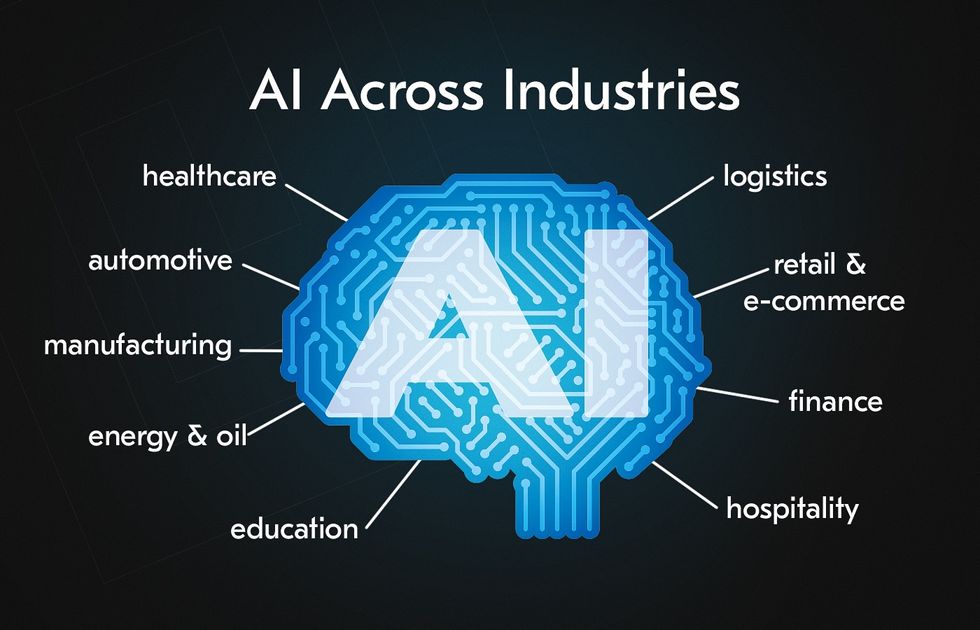
AI is becoming the lifeblood of modern industries. But why? The simple answer is that AI models offer efficiency and innovation at unprecedented levels. Industries today are looking for ways to streamline operations, improve customer experiences, and remain competitive, and provide artificial intelligence solutions.
Key Benefits of AI for Industries:
- Increased Efficiency: Artificial intelligence models automate repetitive tasks, freeing up human labor for more strategic roles.
- Cost Reduction: Automating tasks can drastically reduce operational costs in industries such as manufacturing, retail, and customer service.
- Better Decision-Making: AI models can analyze vast amounts of data in real-time, providing actionable insights to help businesses make better decisions.
- Personalization: In industries like marketing, AI models help create personalized experiences for customers, improving engagement and retention.
A Guide to AI Models and How They Work
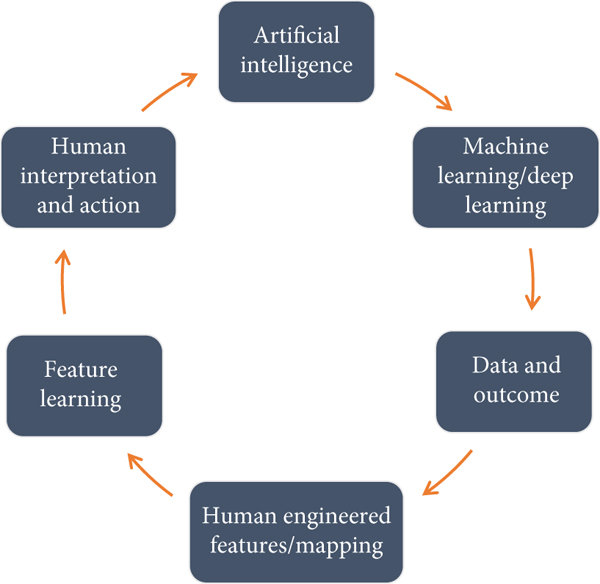
To better understand the impact of AI on industries, let’s dive into the mechanics of how AI models work. Building an AI model isn’t as complicated as it might seem. It involves training, learning, and applying the model to specific tasks.
1. Data Collection:
AI models depend significantly on data to operate effectively. The more data they receive, the better they become at identifying patterns and making accurate predictions. Every day, industries produce vast amounts of data, which AI models can analyze and learn from. This data, whether related to customer behavior, production metrics, or market trends, forms the cornerstone of AI functionality.
2. Training AI Models:
Once you have the data, the next step is training AI models. This involves feeding data into the AI system, which then learns from the information. Training an AI model can take time and computational power, but it’s essential for creating accurate predictions. Over time, with enough data and training, the AI model becomes more efficient at its tasks.
3. AI Model Testing:
After training, the AI model must be tested to ensure it works correctly. During testing, the model is exposed to new data it hasn’t seen before. The goal is to see how well it can apply what it has learned and make accurate predictions or decisions based on the new information.
4. Deployment and Monitoring:
Once an AI model has been trained and tested, it’s ready for deployment. This is where the AI model is applied to real-world tasks, such as customer service automation, quality control in manufacturing, or fraud detection in finance. AI models need to be monitored continuously to ensure they maintain high levels of accuracy and adapt to new data trends.
Conclusion
AI models are reshaping the way industries operate. From healthcare to finance, these training AI models offer businesses efficiency, cost savings, and a way to stay competitive in a rapidly changing market. However, it’s essential to approach AI with care, ensuring ethical practices and continuous innovation. As industries continue to embrace AI, the potential for growth and transformation is limitless.