Insights
AI Agent
Smarter Fall Pricing Strategies With Automated Agents
Introduction Fall brings a shift in buyer behavior that’s hard to ignore. As temperatures drop and holidays move closer, online traffic rises, and shoppers become more price-aware. Planning promotions during this time takes more than guessing which deals might work. It means knowing when to adjust pricing, what to push forward, and how to respond […]
AI Agent
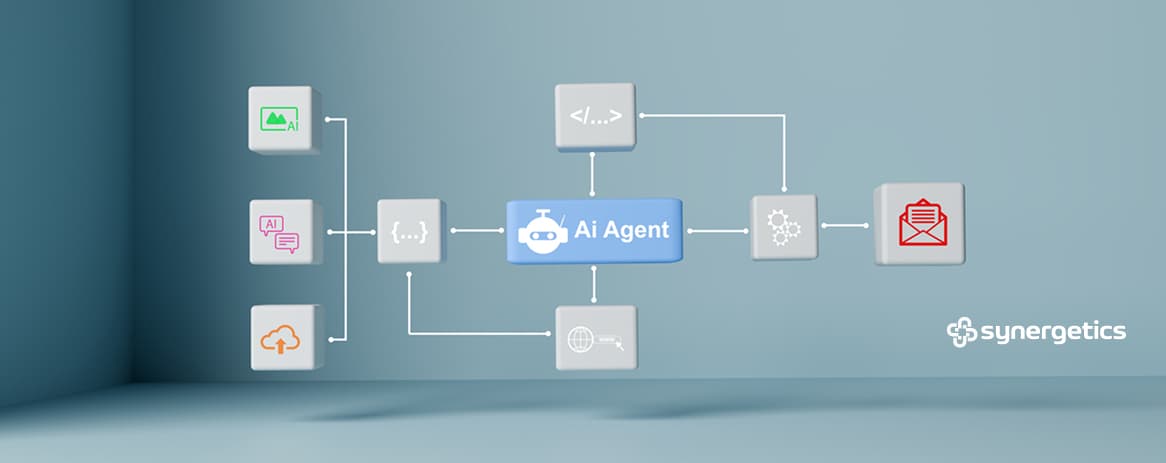
Avoiding Trade Loops With Smarter Agent Logic
Introduction A finance trade agent is an automated logic-driven tool that supports trading decisions and actions. It follows structured logic rather than emotion or guesswork, which helps keep responses fast and consistent. But not all logic is created equal. When a trade agent’s structure is too rigid or short-sighted, it can fall into reaction loops. […]
AI Agent
Set Up HR AI That Adapts to Team Shifts Smoothly
Introduction Most teams deal with changes in staffing every year. People change jobs, move into new roles, or leave altogether. These transitions impact the way work flows and how information gets passed around. Without a good system in place, things slip through the cracks. That’s where planning around an enterprise HR agent AI helps. It […]
AI Agent
Use Fall to Start Smarter Enterprise AI Planning
Introduction Fall tends to feel like a reset button. Summer’s out of the way, and the end-of-year push hasn’t taken over yet. That makes this season one of the best times to think strategically, especially when the goal is to adopt something new without rushing. Teams have just enough calm to give their systems a […]
AI Agent
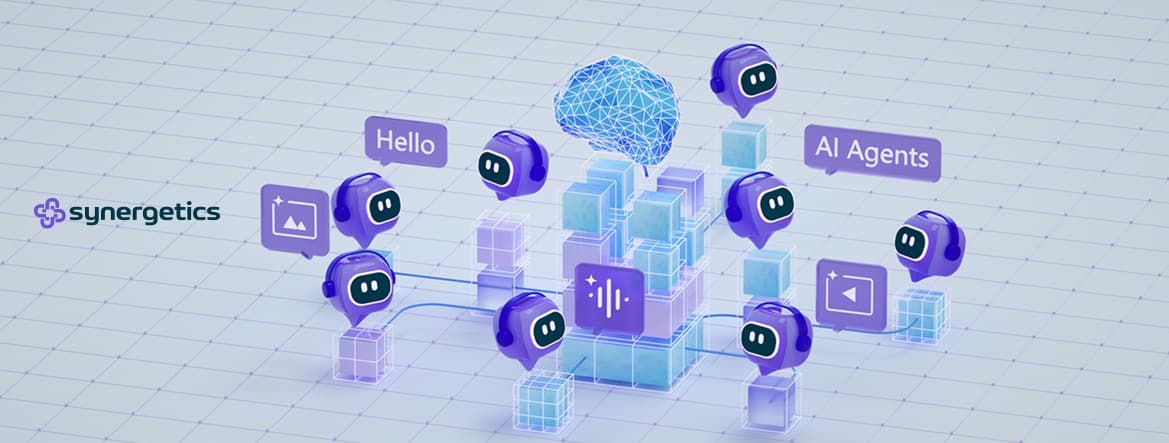
Smarter Ways to Build with Connected AI Agents
Introduction Artificial intelligence services used to be much simpler. A single tool handled one task, and that was usually enough. But as systems got more complex and expectations changed, those early tools started falling short. Now, what we think of as artificial intelligence services has started to shift into something more layered, more connected, and […]
AI Agent
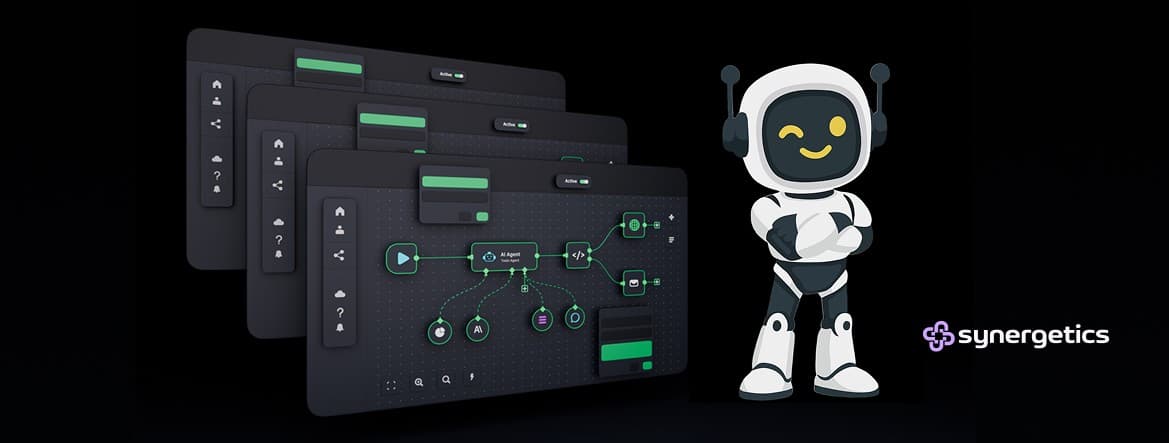
Best Use Cases for AI-Based Workflow Automation
Introduction Artificial intelligence business solutions are tools that help automate routine work, make faster decisions, and adjust to live situations without manual input. These are not one-size-fits-all tools. The way they are used depends on where they are placed, what the goals are, and how teams interact with data and tasks. Some settings benefit more […]
AI Agent
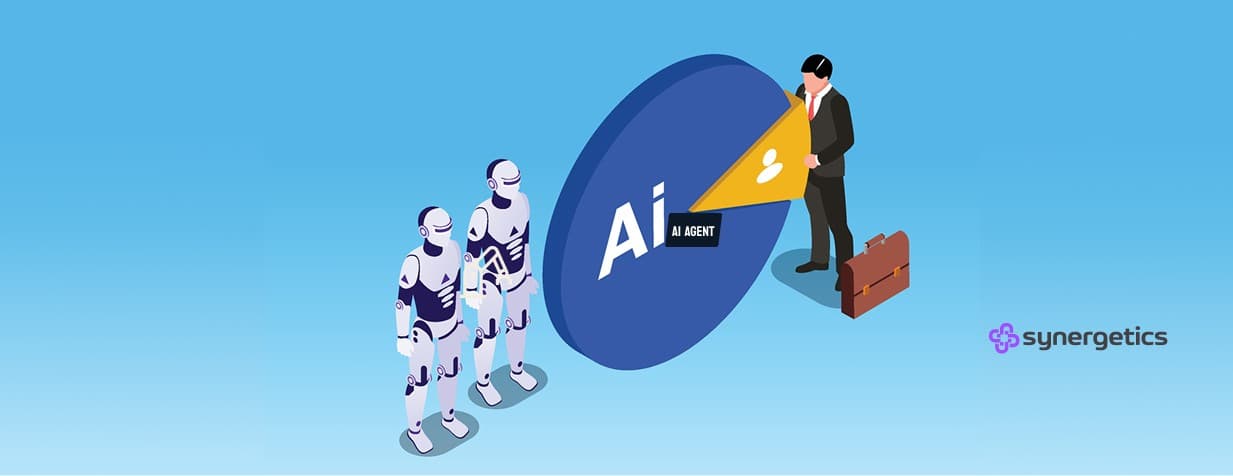
Smarter Ways to Manage and Scale Your AI Agents
Introduction Artificial intelligence agents play a growing role in how teams build smarter, faster systems. These agents take on tasks, pass information, and adapt as they go. Their flexibility is part of what makes them useful. But working with AI agents means keeping an eye on the details that can affect their performance. As we […]

AI Agent
Where Autonomous AI Agents Still Need Guidance
Introduction An autonomous AI agent can act and make decisions without constant human input. It works on its own, following logic and rules it’s been trained to understand. These agents process data, solve problems, and trigger actions all on their own. But even with their growing smarts, there are still places where they hit pause. […]
AI Agent
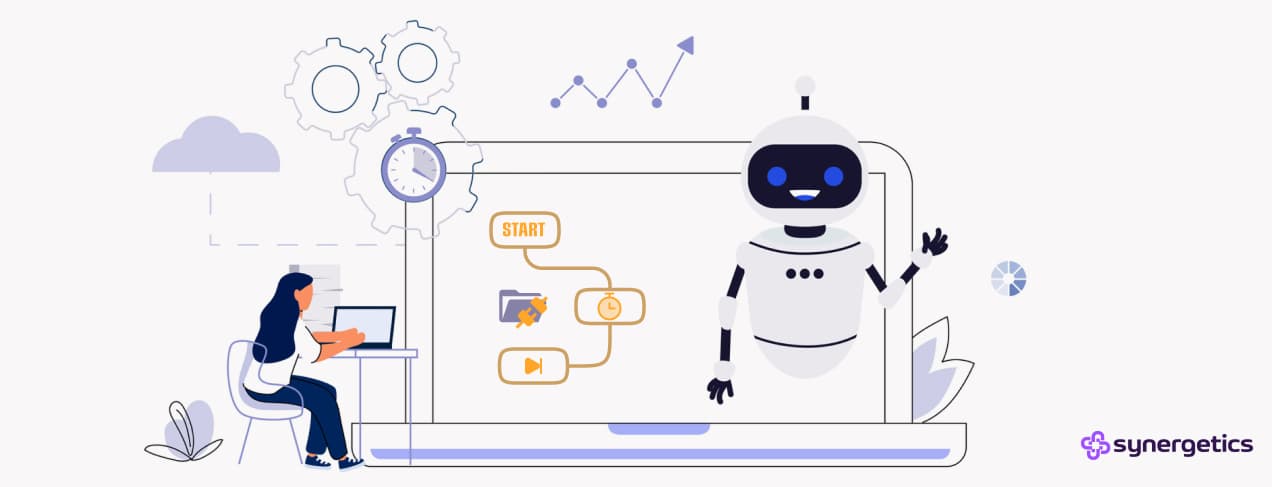
Fixing Data Flow Breaks with Smart Agent Logic
Introduction When systems rely on lots of tools passing data from one place to another, even small breaks can throw everything off. It might start with a missed update, a field left blank, or one app assuming another already took care of something. Those little cracks add up fast, especially as more users connect into […]
AI Agent
Tools That Help AI Builders Build Smarter and Faster
Introduction Builders working with AI aren’t looking for a vendor to hand over prebuilt answers. Most are after the right set of tools so they can keep control over how problems get solved. Building smart systems takes more than a platform with nice labels or dashboards. It takes tools that stay out of the way […]
AI Agent
Mid-Year Task Relief with the Right AI Agents
Introduction By July, most teams have hit a steady rhythm. The yearly reset is behind us, and now the pressure comes from monthly cycles. Reports repeat. Status updates loop. Budgets get checked again. And when vacation schedules overlap with project deadlines, the pressure to keep those rhythms running smooth starts to build. That’s where AI […]
AI Agent
How AI Agents Keep Workflows Running Smoothly
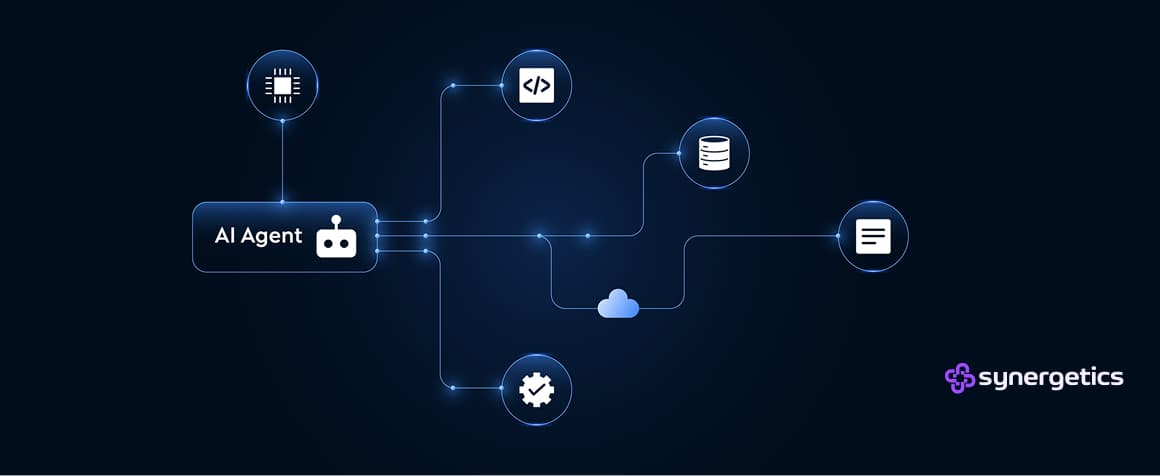
Introduction When you’re deep in digital workflows and updates fly between products, people, and platforms, it’s easy to feel like your systems are always one click away from going sideways. Not because anyone made a big mistake, but because there’s just so much that needs to stay in sync. That’s where an AI agent platform […]